
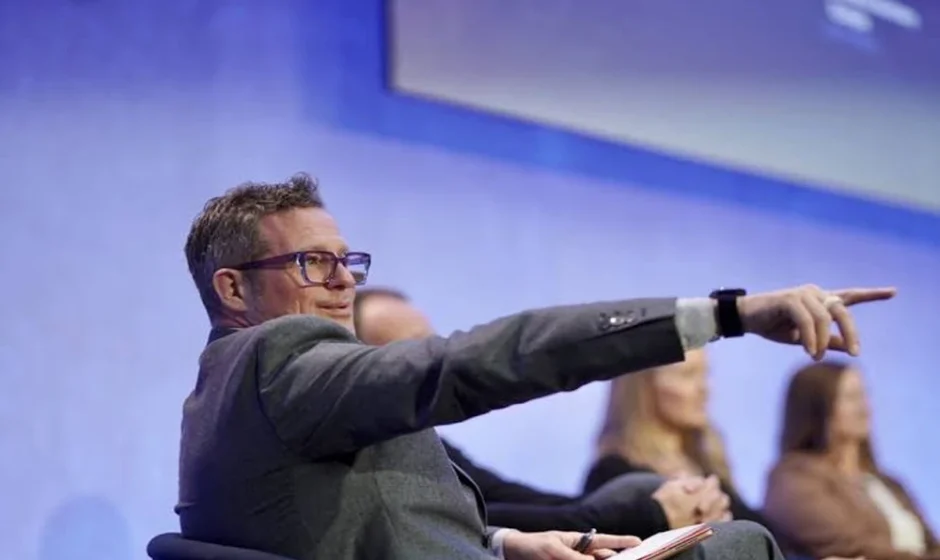

A speaker-photo request usually belongs to the event’s publicity schedule, not to the speaker’s presentation-writing schedule. Treat it as a separate, limited task. Confirm what the organizer needs, check whether an approved existing portrait will work and arrange new photography only if necessary. That keeps a small production requirement from competing with the substance of the talk.
Treat the publicity request as its own deadline
An organizer may need to announce the programme while the speakers are still developing their material. A portrait, biography and session description can therefore be due well before the presentation itself. Read the request carefully instead of filing it mentally with the later deadline for slides. The fact that the talk is unfinished does not mean the publicity packet has to remain unfinished too.
Identify exactly what has been requested. Depending on the event, the packet may include:
- An approved portrait in a stated file format or layout.
- The public name, title and organization to display.
- A biography within the organizer’s requested length.
- The person who can answer follow-up questions about these materials.
Do not assume that a previous event’s requirements apply. Ask about anything unclear, especially how the image will be used and when it must arrive. If the organizer has a template or example, request it. A precise answer now can prevent a last-minute request for a different photograph when the programme page is already being assembled.
For a professional practice, route the biography and public title through the normal review process. The person arranging photography should not improvise credentials or descriptions to fill an event form. Keep those approved facts separate from creative decisions about the portrait. Both need to be correct, but they may have different owners.
Check whether an existing portrait already solves it
Look for a current image that has already been approved for the intended kind of use. Check the available file rather than relying on a small thumbnail copied from a website. The organizer may need something larger or differently framed. Locate the original delivery and relevant use information before deciding that the existing photograph is unsuitable.
Assess whether the portrait still represents the speaker accurately. A photograph may be technically usable while belonging to a previous organization or an appearance that no longer feels current. Consider the context in which it will appear. A new event does not automatically require a new image, but it is a reasonable moment to review whether the old one still does its job.
Ask the organizer whether a practical alternative can work if the preferred crop is unavailable. A designer may be able to use the existing image without compromising the page, or the event may have a firm requirement that makes new photography necessary. Resolve that question before committing time and money to an urgent session.
Do not fill the gap by submitting a photograph whose suitability or permissions are unclear. A casual image of several people cropped down to one face may create problems that the deadline does not justify. If the approved materials cannot be supplied on time, contact the organizer and agree on an appropriate interim arrangement rather than making an assumption.
If a new session is needed, reduce uncertainty first
Give the photographer the actual delivery deadline, not merely the event date. Explain the intended use, the required files and who will make the final selection. Those details determine whether the proposed work is feasible. A booking that leaves no time for selection or finishing may not solve the problem even if the camera session itself happens promptly.
Toronto speakers can check the headshot options from Indigo Visual when considering a new portrait. Ask directly about availability and the delivery schedule for the requested scope. Do not treat a service description, a general turnaround statement or a previous experience as a guarantee that a particular deadline can be met.
Keep the assignment proportionate. If the immediate need is one speaker portrait, distinguish that from a larger future branding project. Several locations, extensive wardrobe changes or a broad library of personal images may be worthwhile later, but they can add decisions to an already time-sensitive task. A focused brief gives everyone a clearer basis for planning.
Prepare the appearance and reference materials before the appointment. Choose clothing appropriate to the event context, bring the organizer’s sample and know who will approve the image. If another person must review the shortlist, arrange their availability in advance. A late approval can delay delivery just as surely as a late recording session.
Send one approved packet and close the loop
Deliver the portrait together with the approved name and biography, clearly identifying the preferred file. Avoid sending several near-identical images without direction unless the organizer asks for options. The person assembling the programme should not have to make an unplanned choice about how the speaker is represented.
Check that the file opens and that the supplied information matches the latest approved wording. Use a filename that the recipient can associate with the speaker rather than an unexplained camera number. If the event has a submission form or specified delivery method, follow it so the materials do not become lost in an unrelated email exchange.
Ask for acknowledgement when appropriate and respond promptly if the organizer identifies a genuine problem. Once the packet is accepted, retain a copy of what was sent. That makes it easier to answer later questions or correct a programme entry without restarting the selection process.
Then put the portrait task down and return to the presentation. The photograph introduces the speaker; it does not need to carry the argument, demonstrate expertise or compensate for unfinished content. Keeping that distinction allows the publicity requirement to be completed cleanly while the important work of preparing the talk continues.