
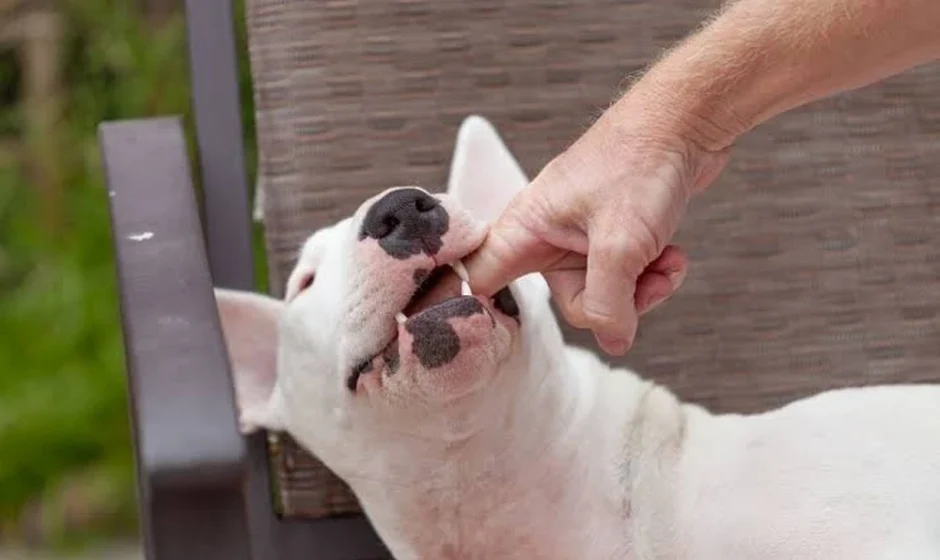

A dog bite can happen within seconds, but the legal questions surrounding the resulting injuries can take much longer to resolve. A victim may face emergency medical care, follow-up appointments, lost income, scarring, and significant disruption to everyday life. When compensation is sought, however, the severity of the injury alone may not determine the outcome. The available evidence can play an equally important role.
A strong dog bite case generally depends on records that establish what happened, identify the responsible parties, document the injuries, and demonstrate the resulting losses. Understanding which evidence matters can help victims avoid situations where important details become difficult to prove later.
Photographs Taken Soon After The Incident
Photographs can preserve details that may disappear quickly. Images of the bite wounds, torn clothing, blood, damaged personal belongings, and the area where the attack happened may help establish the circumstances surrounding the incident.
Victims should also consider taking photographs throughout recovery. A wound may look significantly different after several days, stitches, surgery, or other treatment. A series of dated photographs can demonstrate the progression of an injury and provide useful documentation of swelling, bruising, infection, or permanent scarring.
Medical Records Connecting The Attack To The Injuries
Medical documentation is often one of the most important components of a personal injury case. Emergency room records, physician notes, prescriptions, surgical reports, rehabilitation records, and specialist evaluations can establish both the nature and extent of the injuries.
Seeking prompt treatment may also create a clearer connection between the dog attack and the medical condition being claimed. Significant gaps in treatment can sometimes lead to questions about whether an injury was as serious as alleged or whether another event contributed to the condition.
When evaluating medical evidence, a dog bite attorney Denver victims consult may also examine anticipated future treatment. Reconstructive procedures, scar revision, physical therapy, or other ongoing care could affect the damages associated with a serious injury.
Witness Accounts From The Scene
Independent witnesses can provide valuable information when the victim and dog owner disagree about what occurred. A witness may have observed whether the dog was restrained, where the victim was standing, what happened immediately before the bite, or how the owner responded afterward.
Names, telephone numbers, and other contact information should therefore be collected whenever possible. Memories can fade over time, so obtaining witness information shortly after an incident may preserve an important source of evidence.
Records Concerning The Dog
Information about the animal itself can become relevant during an investigation. Depending on the circumstances, records may reveal previous complaints, prior attacks, aggressive incidents, or interactions involving animal control authorities.
Veterinary information can also help establish the identity and ownership of the dog. These records may become particularly useful if responsibility for the animal is disputed.
A dog bite attorney Denver residents work with may investigate available records rather than relying solely on statements made by the parties involved. Independent documentation can provide additional context and help clarify conflicting versions of events.
Video Footage That Captured The Attack
Modern dog bite cases may involve evidence that did not exist in many older injury claims. Doorbell cameras, security systems, traffic cameras, and mobile phones can potentially capture an attack or events immediately surrounding it.
Video evidence can be especially valuable because it may show the dog’s movements, the behavior of people at the scene, or conditions on the property. However, recordings are not always stored indefinitely. Some surveillance systems automatically overwrite footage after a limited period, making early preservation important.
Clothing And Physical Evidence
Items damaged during an attack should not automatically be discarded. Torn pants, jackets, shoes, bags, or other belongings can help illustrate the nature of the encounter.
Physical evidence can sometimes provide information that photographs alone cannot fully communicate. For example, heavily torn clothing may help demonstrate the force involved in an attack. Keeping such items in their post-incident condition may therefore be useful while a claim is being evaluated.
Documentation Of Financial Losses
A dog bite case is not limited to proving that an injury happened. Victims seeking compensation may also need evidence showing its financial consequences.
Medical bills, pharmacy receipts, transportation expenses, wage statements, employment records, and documentation of missed work can establish measurable losses. If an injury affects the person’s ability to work in the future, additional employment and financial information may become relevant.
Keeping these documents organized from the beginning can make it easier to present a clear picture of the economic impact.
Personal Records Of The Recovery Process
Not every consequence of a dog attack appears on a medical invoice. Victims may experience difficulty sleeping, reduced mobility, interruption of normal activities, discomfort during recovery, or concerns related to visible scarring.
A simple record of appointments, symptoms, physical limitations, and changes in daily activities can help preserve details that might otherwise be forgotten months later. Such documentation should remain factual and consistent with medical records.
Building A Case Around Reliable Evidence
Dog bite injury cases often become more difficult when important evidence disappears, or conflicting accounts cannot be independently verified. Prompt documentation can preserve details while they are still available and create a clearer record of the incident, treatment, and resulting losses.
For someone evaluating legal options, consulting a dog bite attorney Denver victims can turn to may help identify which records are relevant and whether additional evidence should be preserved. Ultimately, a well-documented case can provide a much stronger foundation for determining responsibility and accurately presenting the full consequences of a serious dog bite injury.