
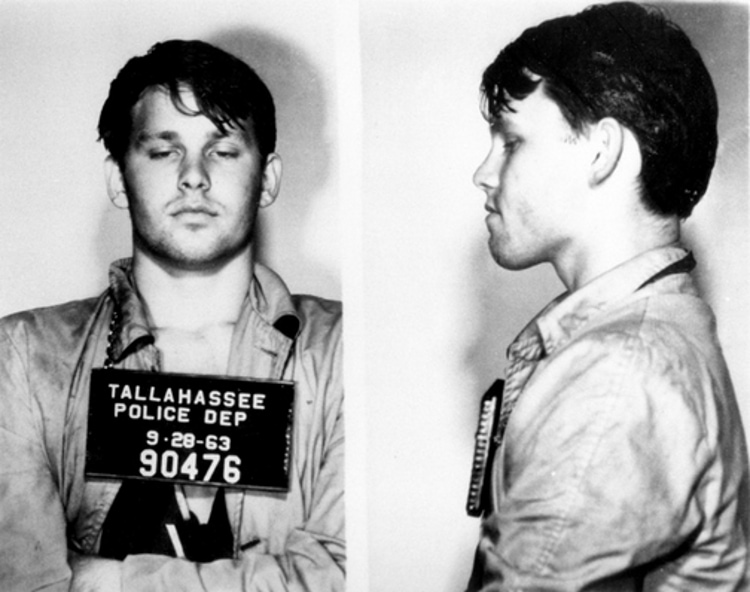

One could easily assume that, in a day and age where the slightest piece of information seems to be searchable, mugshots take another place online. The truth, however, is less straightforward. So, if you are running a background check or looking at your own digital paper trail, it’s worth pondering: why would someone not have a mugshot and they get arrested? The reasons are a combination of legal, procedural, and policy factors.
1. No Booking, No Mugshot
PLEASE NOTE: Booking is not every arrest all the way through.
- It often processes people with minor infractions, such as traffic violations or public intoxication — who are also frequently released without being formally booked.
- If there is no ride to the station, a mugshot isn’t captured.
- Sometimes citations may be issued by officers instead of arresting people, particularly, if there is no need for someone to go to jail.
Therefore, the answer to why would someone not have a mugshot is certainly that their arrest never had one to create in the first place.
2. State Laws Block Public Access
Once a photo is taken, many states are not only considering filming the least troublesome leaving it’s also eliminating some jail pics from public view entirely.
- Media in 19 states can put people’s mugshots online, thanks to laws that say they get to decide who runs their photos, while California, New York, and Utah have more restrictive laws that don’t allow publication of the image unless there are public safety implications.
- They serve to limit causing unnecessary reputational damage on individuals, especially if there was no other conviction.
- First, law enforcement agencies must determine if the release of a mugshot is legal.
In other words, even if a picture is already out there, it may never circulate on the web.
3. Sealed and Expunged Records Wipe the Slate Clean
Many times, mugshots are hidden or erased as well, when a record is sealed and/or expunged.
- Expungement is widespread with first-offenses, juvenile offenders, and cases in which the arrest has not led to a conviction.
- Often this process takes place automatically, but in other states people have to sign forms themselves.
- When sealed, these mugshots become inaccessible to the public via searchable databases or search engine results.
It is this legal erasure that ensures people are not haunted online by issues in the past that have since been resolved.
4. Department Policies Differ
Mugshots are pictures taken by law enforcement agencies when someone is arrested, but police departments are not required to make them publicly available for publication and in many cases do not.
- A few departments post mugshots on the regular, but for many of them it seems like their biggest fear is that they will be doing so with a suspect who ends up being innocent.
- There are case problems because many small towns and poor counties simply do not have public-facing databases.
- And even cops, whose natural reflex is to publicize the most gruesome police work possible, are starting to acknowledge just how punitive such a move can be — in an age where electronic humiliation never vanishes.
Therefore, the mugshot may never have been released if you were arrested in certain places.
5. Mugshot Removal is Possible
They can even expunge an online mugshot.
- In many cases takedown requests are filed by legal teams or online reputation services.
- In cases where charges have been dropped or the photograph violates privacy rights, many websites will take it down.
- A few mugshot sites now even have auto-removals for after the cases are adjudicated.
This also makes sense as to why would someone not have a mugshot, even if it was public at one point.
My Final Thoughts: That Mugshot Might Not Last Forever
Not having mugshots doesn’t mean someone wasn’t booked. It may mean their case was low-priority, settled, or covered by a legal shield. Everything from skipped bookings to sealed records and procedures governed by state privacy laws are in place so that, in some cases, a mugshot might never see the light of day online. And in a digital era obsessed with do-overs, that’s not entirely terrible.